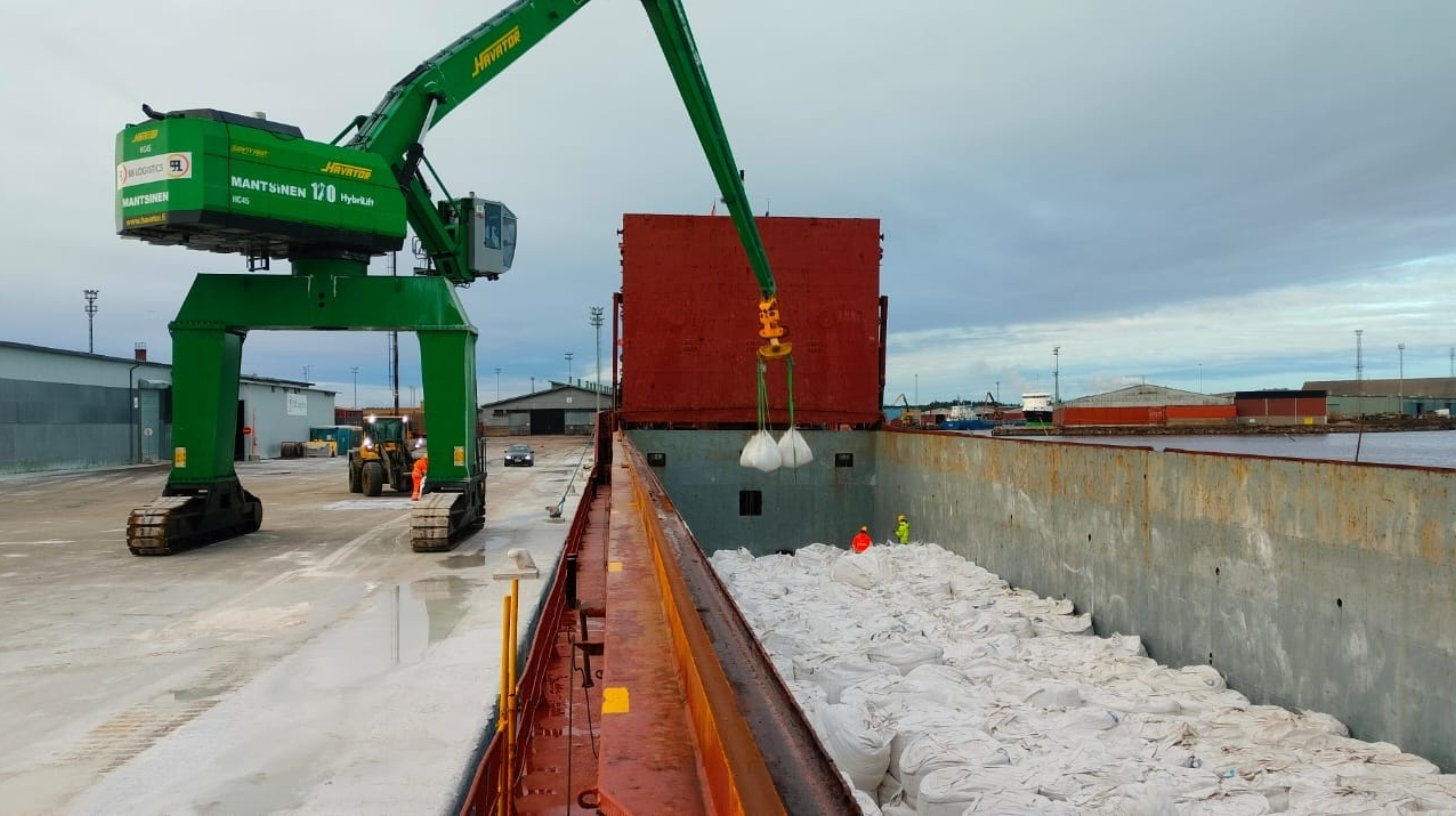
The construction sector, along with many other industries, is undergoing a subtle but significant transformation. Circular materials such as fly ash, slag, and other industrial by-products are increasingly being used to reduce carbon footprints, either as a primary goal or as a secondary consideration depending on the industry and application. While these materials offer clear environmental benefits, transporting them from remote sources to end-use sites requires careful and strategic supply chain planning.
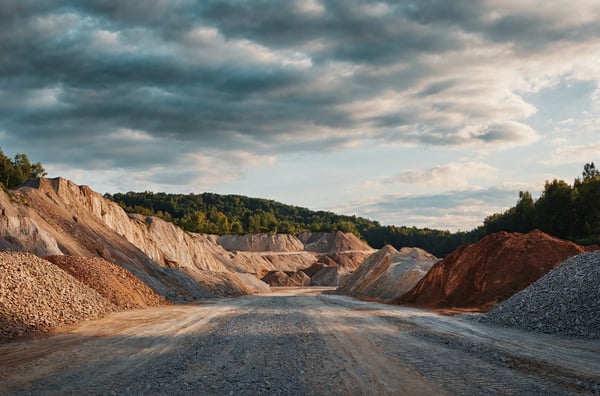
Unlike conventional materials, circular inputs are often located far from urban or mine or end application centres. Transporting heavy or bulk materials across long distances can increase costs, complicate delivery schedules, and require warehousing along with careful handling to maintain material quality. At the same time, these projects need timely deliveries, meaning supply chains must strike a balance between maintaining stock near the source and using just-in-time delivery models (highly challenging).
To meet these challenges, supply chains are evolving. Regional processing hubs near client clusters can reduce transport distances and speed up project timelines. Multimodal transport solutions combining trucks, rail, and waterways are being used to optimize efficiency and cost. Collaboration with multiple suppliers and logistics partners helps coordinate fragmented sources into streamlined delivery networks. Digital tracking tools and IoT sensors provide real-time visibility of shipments, monitor material quality, and anticipate potential delays before they impact construction schedules.
These innovations are more than logistical fixes they are enabling a more resilient and sustainable supply chain. Circular materials not only help reduce environmental impact but also align with evolving green building standards and project sustainability goals.
Supply chains that integrate planning, collaboration, and technology are proving that operational challenges in circular materials can be transformed into competitive advantages.
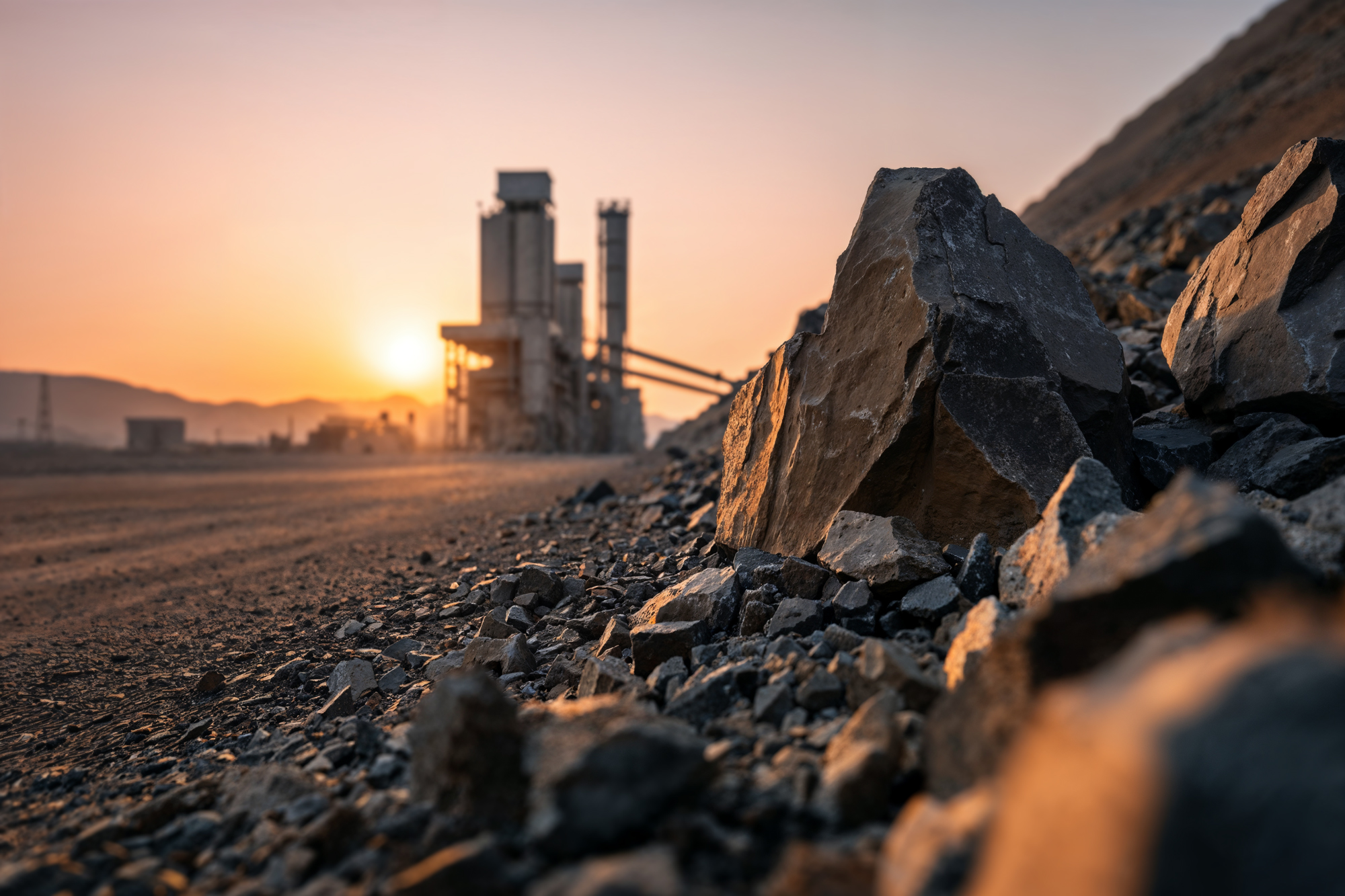
As demand for sustainable construction grows, effective supply chain management for circular materials will be key. The journey of these materials from remote industrial sites to busy construction projects demonstrates how innovation, operational efficiency, and environmental responsibility come together, showing that a greener construction future is achievable through careful, strategic logistics.



.jpg)